As people grow older, changes in sleep patterns are common. Difficulty falling asleep, waking during the night, or feeling less rested in the morning can all become more noticeable with age. Because of this, many older adults look for gentle, natural ways to support relaxation and better sleep without relying solely on medications.
One option that often comes up in these conversations is Reishi mushroom (Ganoderma lucidum). Reishi has a long history of traditional use and is sometimes explored for its potential calming properties. While it is not a sleep aid or cure for insomnia, some people use Reishi as part of an evening routine focused on relaxation and overall well-being.
This article explains what Reishi mushroom is, why older adults are interested in it, what current research suggests, and important safety considerations — without hype or unrealistic promises.
What Is Reishi Mushroom?
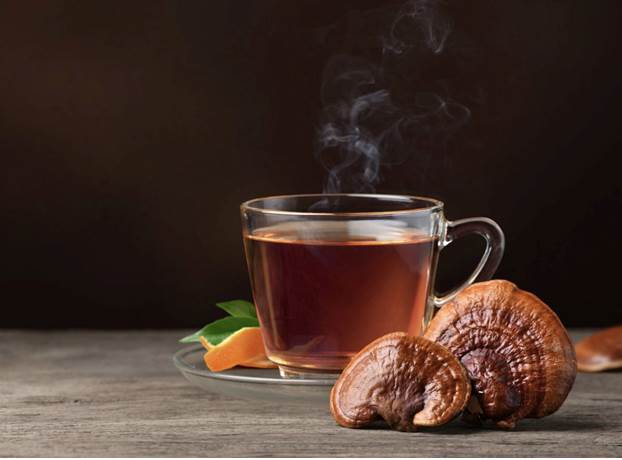
Reishi mushroom (Ganoderma lucidum) is a dark, woody mushroom that grows on hardwood trees. Unlike mushrooms commonly used in cooking, Reishi is rarely eaten as food due to its bitter taste and tough texture. Instead, it has traditionally been prepared as a tea, powder, or extract and has been used for centuries in East Asian traditions as a calming tonic.
Why Older Adults Are Interested in Reishi
Many older adults are cautious about sleep medications because of potential side effects such as grogginess, balance issues, or dependency. As a result, interest has grown in gentle options that may help support relaxation rather than force sleep.
Reishi is often described as an “adaptogenic” mushroom, meaning it is traditionally believed to help the body respond to stress. For some people, this calming effect may support better rest as part of an evening routine.
It’s important to remember that Reishi is not a sleeping pill and does not work the same way as medication. Some readers are also interested in daytime cognitive support, which is discussed in our article on Lion’s Mane mushroom and brain health for older adults.
Reishi and Relaxation: What Research Suggests
Modern research on Reishi has focused mainly on its potential effects on stress, immune function, and overall balance in the body. Some studies suggest that compounds in Reishi may help support relaxation by influencing stress-related pathways.
However, research specific to sleep quality is still limited. Most studies:
- Are small in size
- Focus on general well-being rather than sleep alone
- Show varying results
For this reason, Reishi should be viewed as a supportive option, not a treatment for insomnia or sleep disorders.
How Reishi Is Commonly Used in the Evening
Reishi is available in several forms, and preferences vary:
- Reishi tea made from dried slices or powder
- Capsules or tablets for convenience
Liquid extracts or tinctures
Many people who use Reishi do so in the evening as part of a relaxing routine that may also include limiting screen time, gentle stretching, or reading.
Starting with a low amount and observing how your body responds is generally recommended.
Safety Considerations for Older Adults
Reishi is generally considered safe for many people, but older adults should be especially mindful of the following:
- Reishi may interact with blood-thinning medications
- It may lower blood pressure in some individuals
- Digestive upset can occur, especially at higher amounts
- Those with mushroom allergies should avoid it
Anyone managing health conditions or taking medications should speak with a healthcare professional before using Reishi regularly.
For a broader overview of precautions, see our guide on medicinal mushroom safety considerations for older adults.
Final Thoughts
Reishi mushroom has a long history of traditional use and continues to be of interest for its potential calming properties. For older adults, it may offer gentle support for relaxation when used thoughtfully and as part of a broader approach to healthy sleep.
At Silver Winder, the goal is to provide balanced, realistic information so readers can make informed choices at their own pace — without pressure or exaggerated claims.
 Silver Winder – Medicinal Mushrooms for Beginners
Leave a comment