Benefits, Uses, and Safety: A Beginner’s Guide
Chaga mushroom is one of the most talked-about medicinal mushrooms, especially among older adults interested in immune support and overall wellness. Often called the “king of medicinal mushrooms,” chaga has a long history of traditional use and continues to attract attention today.
If you’re new to medicinal mushrooms, this guide will walk you through what chaga is, why people use it, and what beginners — especially older adults — should know before trying it.
What Is Chaga Mushroom?
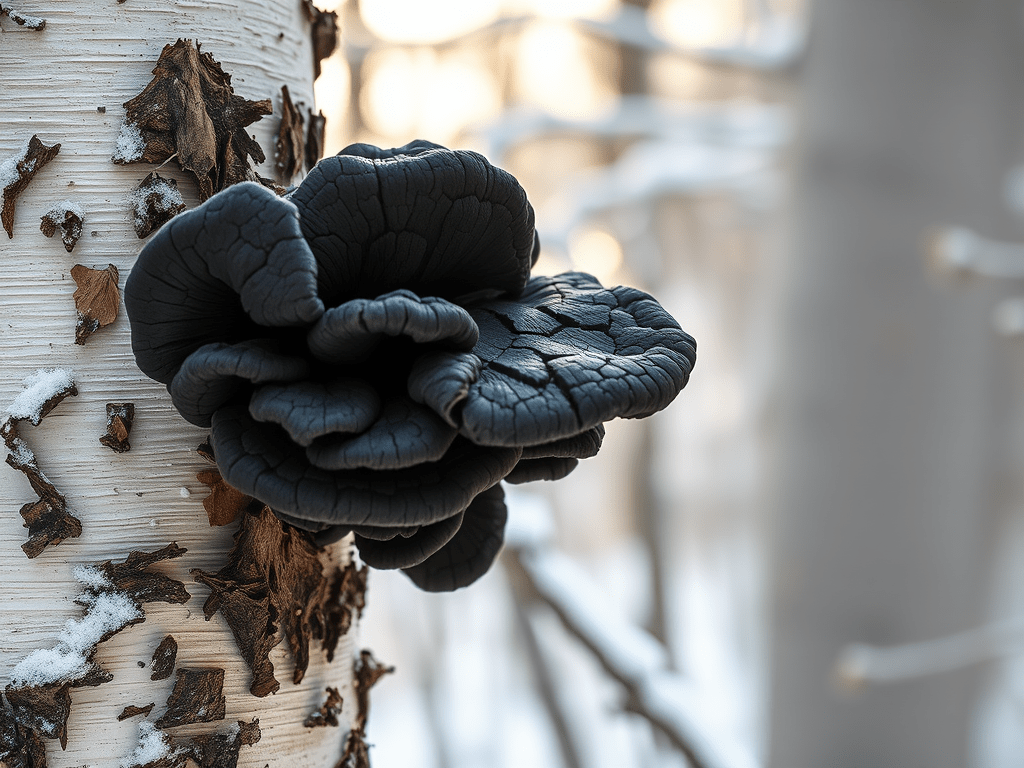
Chaga mushroom grows primarily on birch trees in cold climates such as northern Europe, Siberia, Canada, and parts of the northern United States. Unlike typical mushrooms with caps and stems, chaga looks more like a dark, cracked mass of wood on the side of a tree.
Despite its rough appearance, chaga has been used for centuries in traditional wellness practices, often brewed into a tea.
Traditional Uses of Chaga
Historically, chaga has been used to support:
- General immune health
- Digestive balance
- Overall vitality and resilience
In traditional cultures, chaga was often consumed daily as a tea, especially during colder months.
Why Beginners Are Interested in Chaga
Many beginners are drawn to chaga because it is:
- Naturally caffeine-free
- Often described as gentle and grounding
- Commonly consumed as a tea rather than a pill
For older adults, chaga’s reputation for supporting immune function and overall wellness makes it particularly appealing.
Potential Health Benefits of Chaga
Research on chaga is still developing, but chaga is known to contain naturally occurring compounds such as antioxidants and beta-glucans.
These compounds are commonly associated with:
- Supporting the body’s natural immune response
- Helping the body manage oxidative stress
- Promoting general wellness over time
It’s important to remember that chaga is not a quick fix. Most people who use it do so as part of a long-term wellness routine.
How Chaga Is Commonly Used
Chaga is most often consumed in one of these forms:
Chaga Tea
This is the most traditional and beginner-friendly option. Chaga chunks or powder are simmered in water for an extended period to make a dark, earthy tea.
Chaga Powder
Powdered chaga can be added to hot water or blended into beverages. Quality and sourcing matter greatly here.
Chaga Extracts
Extracts are more concentrated and should be used carefully, especially by beginners.
Safety Considerations for Older Adults
While chaga is generally considered well tolerated, there are a few important points to keep in mind:
- Chaga is very high in oxalates, which may be a concern for individuals with kidney issues
- Anyone taking medications or managing chronic health conditions should consult a healthcare professional before regular use
- Start slowly and pay attention to how your body responds
This site focuses on education, not medical advice.
How to Choose a Quality Chaga Product
When looking for chaga, beginners should consider:
- Wild-harvested chaga from birch trees
- Clear sourcing information
- Minimal processing
- No unnecessary additives
Avoid products that make dramatic or unrealistic health claims.
Chaga vs. Other Medicinal Mushrooms
Unlike Lion’s Mane, which is often associated with brain and nerve support, chaga is typically chosen for whole-body wellness and immune support. Many people explore chaga alongside other mushrooms rather than instead of them.
Final Thoughts for Beginners
Chaga mushroom is a fascinating and time-honored option for those interested in medicinal mushrooms. For beginners — especially older adults — the key is to approach chaga with realistic expectations, patience, and a focus on safety.
Used thoughtfully, chaga can be one part of a balanced wellness routine rooted in education and moderation.
 Silver Winder – Medicinal Mushrooms for Beginners
Leave a comment